

We delight in the beauty of the butterfly, but rarely admit the changes it has gone through to achieve that beauty.
-Maya Angelou
Trauma therapies
EMDR
Eye Movement Desensitization and Reprocessing (EMDR) is a trauma therapy that can help when difficult experiences from the past are still affecting how you feel, think or respond in the present.
-
I work with children and adults who have experienced:
Trauma, abuse or violence
War, conflict or displacement
Grief and loss
Anxiety, panic or phobias
Accidents or medical trauma
Experiences that still feel overwhelming or difficult to move past
-
Sometimes memories can feel as though they are still happening in the present. You might experience unwanted memories, images, sensations or strong emotions, or find that certain situations trigger a response that feels difficult to control.
EMDR helps you work with these experiences without needing to repeatedly talk through every detail of what happened. We use bilateral stimulation, such as eye movements, tapping or sounds, while working with memories, emotions, thoughts and sensations that are causing distress.
For many people, memories can become less intense and easier to hold, creating space to respond differently in the present.
-
EMDR is offered in the same spirit as all of my work — with warmth, respect and connection.
We work at your pace. You remain an active part of deciding what we work on and when, and I will support you to feel safe throughout the process.
We find our way through it together.

Flash Technique
The Flash Technique is a gentle approach to working with distressing memories. It can help memories feel less overwhelming without needing to relive the experience or talk through it in detail.
-
I work with children and adults who have experienced:
Trauma, abuse or violence
War, conflict or displacement
Grief and loss
Experiences that feel overwhelming or difficult to move past
Trauma that feels too activating to talk about
Flash may be particularly helpful if you have found other approaches difficult or overwhelming, or if you don't feel ready to talk about what happened.
-
During Flash, you focus your attention on something positive, calming or engaging (I like to use YouTube videos to help us really engage a positive feeling) while we work gently with the distressing memory in the background.
You don't need to describe the experience in detail or sit with the full intensity of the memory. We work in a way that allows you to stay connected to the present and in control throughout.
Many people notice a change in how a memory feels, including the emotions, images and sensations connected to it.
-
I use Flash when it feels important to work gently and protect your capacity to stay present.
You might choose Flash because talking about what happened feels too much right now. You might use it alongside EMDR or other therapeutic work as a way of approaching difficult material gradually.
We can also pause, change direction or stop. You are always part of deciding what happens next.
Flash isn't about pushing through difficult memories. It is about finding a way to work with them that feels manageable for you.

Trauma Sensitive Yoga
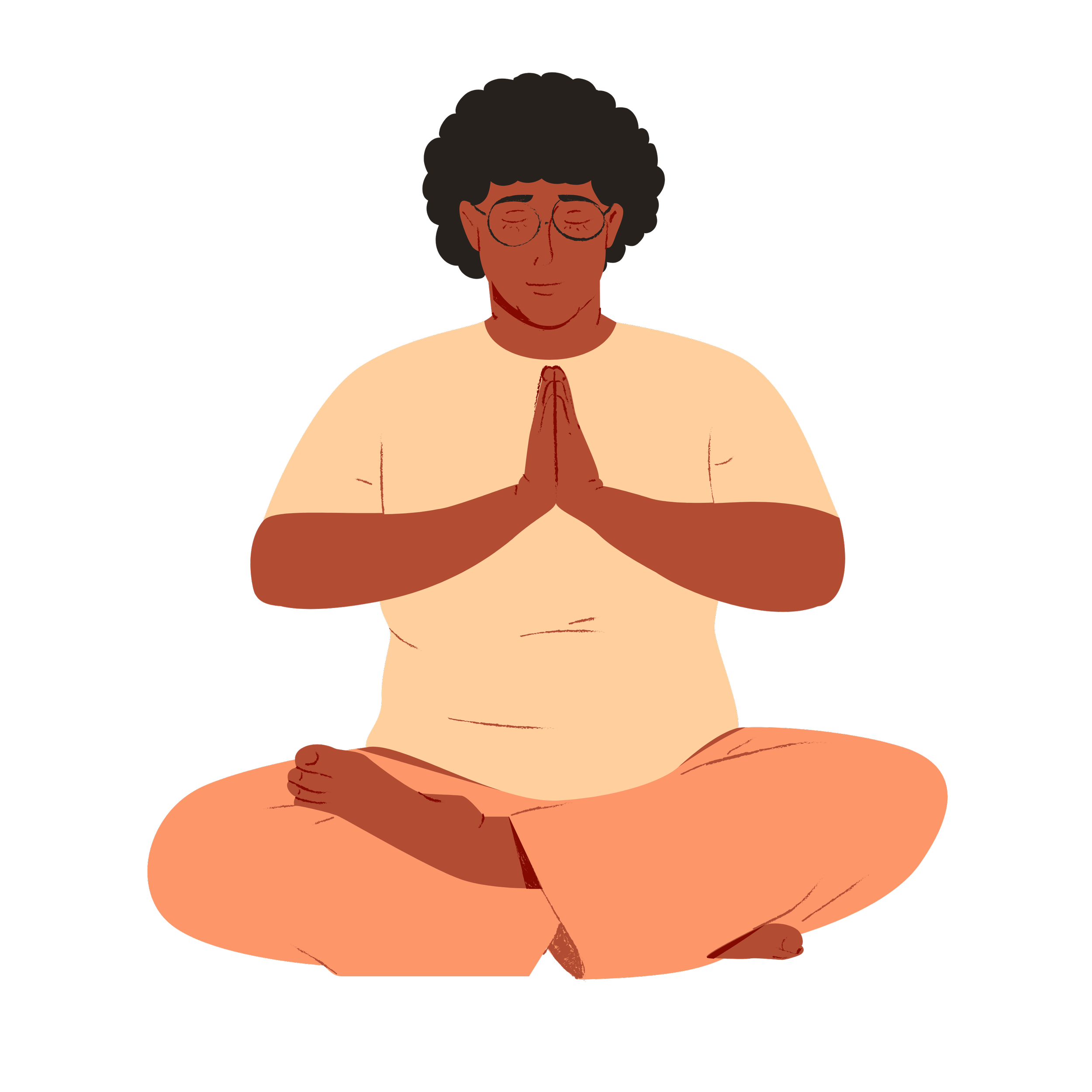
Trauma Center Trauma Sensitive Yoga (TCTSY) is a body-based approach developed specifically for people affected by trauma. It offers a way to explore your relationship with your body through simple yoga-based practices, without requiring you to talk about what happened.
-
TCTSY may be helpful if:
You feel disconnected from or uncomfortable in your body
Talk therapy hasn't felt like enough
You are living with the effects of complex or ongoing trauma
You want to include your body in your therapeutic work
You want to explore movement in a way that feels safe and manageable
TCTSY can be offered on its own or woven into our wider work together. It can be offered online, individually or in groups.
-
Sessions involve simple yoga-based movements and practices. There is no right or wrong way to do them, and you don't need any previous yoga experience.
Rather than telling you how to move, I offer invitations and you decide what feels right for your body. You can change, pause or stop at any time, for any reason.
The focus is not on getting the movement “right”. It is about having the opportunity to notice, choose and experience your body on your own terms.
-
Choice is at the centre of TCTSY.
Trauma can leave you feeling that your body, your choices or your sense of control are no longer entirely your own. TCTSY offers an opportunity to practise making choices in the moment — including choosing not to participate.
You don't have to push through discomfort or do something because you think I expect you to. Your body belongs to you, and you get to decide what happens with it.
For me, this makes TCTSY more than yoga. It is an opportunity to begin developing a different relationship with your body — one that is grounded in choice, curiosity and agency.

I am guided by you in these sessions and we find the best approach to integrate these modalities into our work together.
-
I am committed to ensure my services are accessible.
I am a NSW Victims Services counsellor for victims of violent crime. I am also happy to support you to complete your Victims Services Counselling application if that is a barrier to accessing care.
For private paying clients, I offer sessions on a sliding scale from $100-$150 AUD. If this is a barrier to you, please do not hesitate to get in touch.
-
I currently only offer online sessions via Zoom or over the phone.